Leadership development through graffiti
Discover how graffiti workshops drive leadership development, team alignment, and ROI through creative problem-solving and the 'crew' framework.
Traditional leadership development can often feel stagnant, relying on outdated models that fail to capture the dynamic nature of the modern economy. Leadership development through graffiti offers a radical, hands-on alternative that pushes executives out of their comfort zones and into a world of high-stakes creativity. By applying the principles of the graffiti crew—collaboration, rapid iteration, and bold vision—organisations can unlock hidden potential within their management teams. This article explores how the spray can becomes a tool for strategic alignment, risk management, and fostering a culture of innovation, backed by years of experience in professional urban art education and corporate workshops. 🚀
The evolution of leadership: Why street art works in the boardroom
In the modern corporate landscape, traditional leadership training often falls into the trap of being overly theoretical or repetitive. Today’s managers and executives require more than just lectures; they need immersive experiences that challenge their cognitive biases and force them to think on their feet. This is where the concept of a graffiti crew becomes a powerful metaphor for high-performing business units. 🎨
Graffiti is inherently collaborative, risk-oriented, and structured around a unique hierarchy that values skill and execution over titles. By integrating these elements into leadership development programs, organisations can foster an environment of radical innovation and psychological safety. When a leader picks up a spray can, the traditional corporate hierarchy dissolves, allowing for authentic communication and a shared focus on a singular, massive objective.
Core competencies developed through urban art
1. Decision-making under pressure
Unlike digital design or traditional painting, graffiti is permanent and rapid. Once the paint leaves the nozzle of a specific cap type, the artist must commit. In a workshop setting, leaders are taught to embrace this "permanent" nature of the medium. It mirrors the fast-paced decision cycles in global markets where hesitation can lead to missed opportunities. Leaders learn to manage the "drips" of a project—the unexpected errors—and turn them into intentional design elements.
2. Visionary communication and "The Piece"
A professional piece (short for masterpiece) requires a clear vision before the first line is drawn. Leaders must communicate this vision to their team to ensure the fill-in, background, and outlines are cohesive. This translates directly to strategic alignment within a business, where the "big picture" must be understood by every stakeholder to avoid a fragmented final result.
3. Managing diverse talent and roles
In the world of urban art, different artists bring different specialities—some excel at 3D effects, others at sharp outlines. Leadership development workshops utilise this by assigning roles based on strengths rather than seniority. This encourages a "flat" leadership style where the person with the best technical knowledge of a specific area leads that phase of the project.
ROI and business impact: The numbers behind the art
Investing in creative leadership training isn't just about morale; it’s about measurable ROI. Companies that prioritise creative problem-solving are 3.5 times more likely to outperform their peers in revenue growth. By engaging in a tactile, high-energy activity like graffiti, participants experience a flow state, which has been shown to increase productivity by up to 500%.
Success metrics for these programs typically include:
- Reduced Silo Mentality: Measured by cross-departmental collaboration post-workshop.
- Innovation Output: Increase in the number of new ideas submitted to internal incubators.
- Employee Retention: High-impact experiential learning correlates with higher job satisfaction scores.
The "Crew" framework: A model for high-performance teams
In graffiti culture, a crew represents a tight-knit collective with a shared identity. To translate this to the corporate world, we use a structured implementation framework:
Phase 1: The Blackbook session (Strategy)
Before hitting the wall, artists use a blackbook to sketch, fail, and refine. In a leadership context, this represents the "safe-to-fail" zone of strategic planning and brainstorming. It teaches leaders the value of preparation and the importance of allowing their team to iterate on ideas before execution.
Phase 2: The Outline (Execution)
The leader sets the boundaries. In urban art, the outline defines the scale. In business, this is the project scope. We teach leaders how to set firm but flexible boundaries that allow for individual creativity within a structured framework.
Phase 3: The Burner (Excellence)
A burner is a piece so good it "burns" off the wall. This phase of the workshop focuses on pushing past "good enough" to reach excellence. Leaders are challenged to identify what makes their team’s work stand out and how to sustain that level of high-quality output.
Case study patterns: Real-world applications
While we maintain client confidentiality, several patterns emerge from our years of conducting workshops for global tech firms and financial institutions. 🏢
The "Silo-Buster" Pattern: A large manufacturing firm struggled with communication between engineers and marketing. By forcing both groups to work on a single 10-metre mural, they were forced to negotiate space, colour palettes, and overlapping styles. Result: A 20% reduction in project delivery time due to improved cross-departmental understanding.
The "New CEO" Integration: When a new executive joins an established team, tension is common. Using a graffiti workshop as an "equaliser" allows the new leader to demonstrate vulnerability (learning a new skill) and support roles, building trust faster than any boardroom retreat could achieve.
Implementation: How to run a leadership graffiti workshop
To ensure professional results and educational depth, the workshop must follow a specific progression:
- Contextual Briefing: Understanding the history of the medium as a form of social leadership and "taking back" space.
- Technical Training: Learning the physics of the spray can, cap types, and pressure control. This represents the "technical skills" of leadership.
- Collaborative Design: The team must agree on a theme that represents their corporate values.
- The Big Build: Executing the mural under a time constraint, replicating real-world market pressure.
- The Critique: A professional artist leads a deconstruction of the work, focusing on communication wins and technical hurdles.
Safety and professionalism in urban art education
Leadership development requires an environment where participants feel safe to take risks. Professional workshops provide high-quality respirators, protective clothing, and low-VOC paints. Furthermore, the presence of experienced artists ensures that the session stays focused on the pedagogical goals rather than just "making a mess." 🛡️
By blending the raw energy of the street with the structured needs of the corporate world, organisations can unlock a level of engagement that traditional methods simply cannot match. It’s about transforming the "writing on the wall" into a roadmap for future success.
Expert attribution: The Graffitifun standard
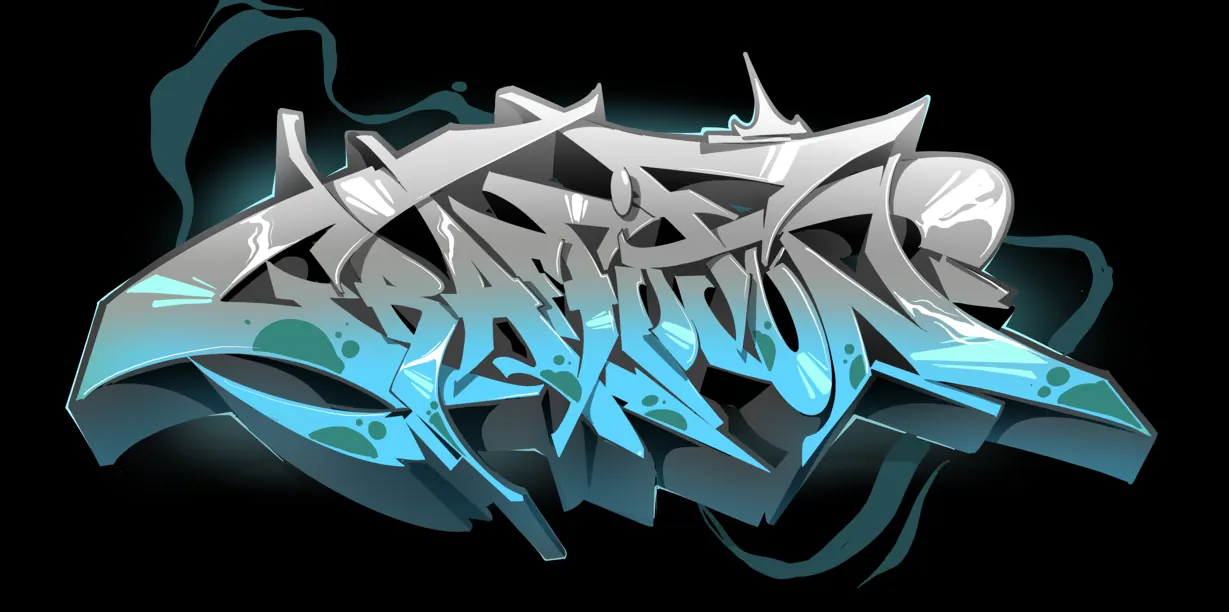
This article was authored by the Graffitifun editorial team, drawing on over a decade of hands-on experience in urban art education. Our professional graffiti artists have facilitated hundreds of workshops for diverse groups, from youth programs to C-suite executives at some of the world's most innovative companies. We believe that the spray can is more than a tool—it is a catalyst for personal and professional transformation. Our methodology combines technical mastery of styles like Wildstyle and 3D graffiti with modern leadership psychology to deliver high-impact learning experiences.
Frequently asked questions
Keep reading
Ready to Create Your Masterpiece?
Book your graffiti workshop today and discover the artist within! It's going to be AWESOME!