Legal wall etiquette and unwritten rules
Master legal wall etiquette! Learn the unwritten laws of graffiti, from covering work to safety and risk management. Essential for all urban artists.
Entering the world of legal graffiti walls can be both exciting and intimidating. While these spaces—often called "Halls of Fame"—provide a safe environment for artists to express themselves, they are governed by a strict, unwritten code of conduct. Following this etiquette is crucial for gaining respect within the community and ensuring these legal spaces remain open to the public. Whether you are a seasoned pro or a graduate of one of our workshops, understanding the hierarchy of the wall, the importance of site cleanliness, and the global regulatory landscape is essential. In this guide, we draw on years of hands-on experience by professional graffiti artists to break down the essential rules of the road for legal wall painting. 🎨✨
Understanding the concept of legal walls
Legal walls, often referred to as "Halls of Fame," are designated public spaces where the act of painting graffiti is permitted by the local authorities or property owners. While these spaces offer a sanctuary for artists to hone their skills without the threat of legal prosecution, they are not lawless zones. In fact, these spaces are governed by a sophisticated set of unwritten rules and community-led etiquette that ensure the longevity of the site and the safety of the participants. 🎨
For those transitioning from private practice or workshops to public legal walls, understanding these social dynamics is as crucial as mastering graffiti shading techniques. A legal wall is a community resource; if it is abused or if the surrounding area is vandalised, the local government may choose to paint it over or close it permanently. Thus, following etiquette is a form of risk management for the entire art scene.
The hierarchy of the wall: Respect and seniority
In the world of graffiti, there is a clear, albeit unspoken, hierarchy based on skill, history, and contribution. This hierarchy dictates what can be painted over and by whom. Understanding this "food chain" is essential to avoid conflict and maintain a professional reputation within the urban art community.
Toys, pieces, and murals
The cardinal rule of legal wall etiquette is simple: you only paint over something if you can do something better. Below is the general hierarchy used globally:
- Tags: Simple stylized signatures. These are at the bottom of the hierarchy.
- Throw-ups: Quick, bubble-letter outlines with a single fill color. These can usually be covered by a piece.
- Pieces (Masterpieces): Complex, multi-colored works of art. Covering a piece with a lower-quality throw-up is considered a major sign of disrespect.
- Murals/Productions: Large-scale, highly detailed works, often involving multiple artists and a background. See more on mural art styles for context on these complex projects.
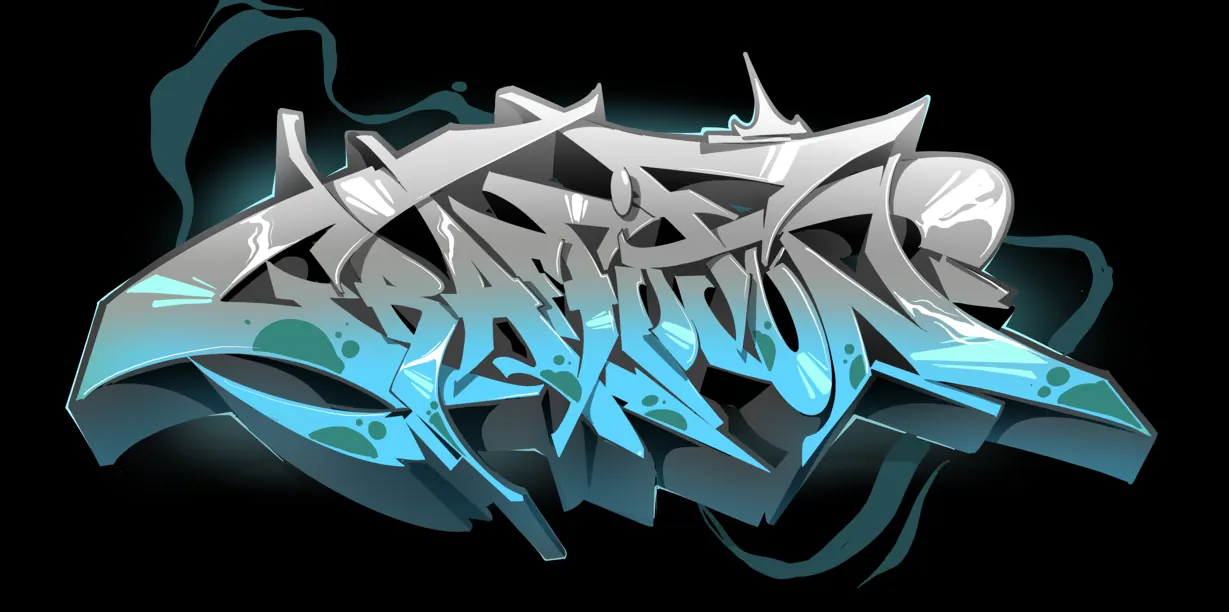
If you are a beginner, look for sections of the wall that are already "buffed" (painted over in a solid color) or areas that contain messy tags or low-quality experimental work. Never go over a high-quality wildstyle graffiti piece if you are just starting out.
Risk management and insurance context
While painting on a legal wall removes the criminal element of "vandalism," it does not remove all risks. Professional artists and workshop coordinators must view legal walls through a lens of health, safety, and liability. 🛡️
Public liability and third-party safety
When painting in a public space, you are responsible for the safety of passersby. This includes ensuring that your spray mist (overspray) does not drift onto nearby cars, private property, or pedestrians. In a professional or corporate context, such as those discussed in corporate team building trends, having public liability insurance is a standard requirement. Even as an individual artist, being mindful of your surroundings is a form of informal risk management that prevents complaints to the council.
Personal Protective Equipment (PPE)
Legal walls are often located in high-traffic or industrial areas. Proper ventilation is vital, even outdoors. Professional graffiti artists always recommend using a respirator with P100 or organic vapor cartridges. Standard dust masks are insufficient for filtering the solvents found in aerosol paint. Additionally, wearing gloves protects against skin absorption of chemicals and keeps your fingerprints clean—a practical tip for anyone moving into the professional sphere.
Global perspectives on regulation
The regulation of legal walls varies significantly across the globe. In some European cities, entire districts are designated as open-air galleries where no permit is required. In other regions, artists must carry a "permit card" or register with the local municipality before touching the wall. 🌍
The "Buffer" system
Many councils manage legal walls by "buffing" them (painting them one solid color) once a month. This provides a clean slate for everyone. If you paint a piece on Monday and the council buffs it on Tuesday, you have no grounds for complaint. This is part of the "transient nature" of the art form. Understanding the local buffing schedule is key to ensuring your work stays up for a reasonable amount of time.
Environmental and site etiquette
The quickest way to lose a legal wall is to leave it looking like a hazard. The "unwritten rules" extend far beyond the paint on the bricks.
- Take your cans home: Empty aerosol cans are hazardous waste. Leaving them at the base of the wall is littering and gives the community a bad name.
- Don't paint the floor: While the wall is legal, the pavement, sidewalk, and nearby trees usually are not. Professional artists use drop cloths or are extremely careful with their aim.
- Capping: Changing your spray caps often leads to small plastic caps being dropped. Pick them up.
- Respect the neighbors: Avoid loud music and shouting. Legal walls are often located near residential or business zones; keeping the peace ensures the wall stays open.
The etiquette of social media and credit
In the digital age, legal wall etiquette has expanded to include how we share work online. It is customary to photograph your work but also to credit those whose work is still visible next to yours. If you are painting a collaboration, ensure all artists' handles are tagged. If you are a beginner and you have been given advice by a "king" (an established veteran) at the wall, a public "thank you" or shout-out goes a long way in building rapport.
Application in professional workshops
For organizations like Graffitifun, teaching etiquette is as important as teaching the art. During workshops, we emphasize that the wall is a shared resource. When we conduct branding workshops, we teach participants that their brand image is tied to how they interact with the public space. Respecting the unwritten rules of the wall demonstrates discipline, community awareness, and professional integrity—traits that are highly valued in corporate environments.
Conflict resolution at the wall
Occasionally, disputes arise over who was there first or who "capped" (painted over) whom. The rule of thumb is: communication. If you aren't sure if a piece is "fresh" or if the artist is coming back to finish it (look for "WIP" or "Work In Progress" signs), wait. Most artists are happy to share space if approached with respect. In a workshop setting, our facilitators act as mediators, ensuring that the collaborative energy remains positive and productive.
Summary of best practices
- Check the legal status of the wall before you start; "I thought it was legal" is not a valid legal defense.
- Assess the wall for existing high-quality work and avoid covering it.
- Engage with other artists on-site—a simple "What's up?" goes a long way.
- Work clean: bring a trash bag for your cans and caps.
- Prioritize safety: use a respirator and be mindful of pedestrians.
Expert Attribution
This guide was compiled by the Graffitifun editorial team, drawing on over a decade of professional experience in the global urban art scene. Our team consists of active graffiti artists who have painted on legal walls from London to Amsterdam and beyond. We have facilitated thousands of workshops, ensuring that every participant understands not just how to use a spray can, but how to navigate the complex social landscape of the street art world with respect and safety.
Frequently asked questions
Keep reading
Ready to Create Your Masterpiece?
Book your graffiti workshop today and discover the artist within! It's going to be AWESOME!