Graffiti subcultures around the world
Explore the rich history and global diversity of graffiti subcultures. From NYC origins to Brazilian Pichação, discover how street art shapes our world.
Graffiti is far more than just paint on a wall; it is a complex, global web of subcultures, each with its own codes, aesthetics, and social functions. From the pioneered "writing" movements of 1970s New York to the vertical "Pichação" of Brazil and the refined character art of Tokyo, graffiti has evolved into one of the most significant art movements of the 21st century. At Graffitifun, we believe that understanding the history and cultural nuances behind the spray can is essential for anyone looking to master the craft. In this comprehensive guide, we explore the chronological development, key regional movements, and the modern relevance of graffiti subcultures. Whether you are an enthusiast, a student, or a professional team, discovering these urban narratives provides a unique perspective on creativity and community. 🌍✨
The origins of global graffiti subcultures
Modern graffiti as we know it didn't emerge from a vacuum. While humans have been leaving marks on walls for millennia, the specific subculture of "writing" originated in the late 1960s and early 1970s. It began as a method of communication and identity among urban youth in cities like Philadelphia and New York. What started as simple "tags"—the artist's pseudonym—quickly evolved into a competitive art form where scale, complexity, and placement defined one's status within the community. 🖌️
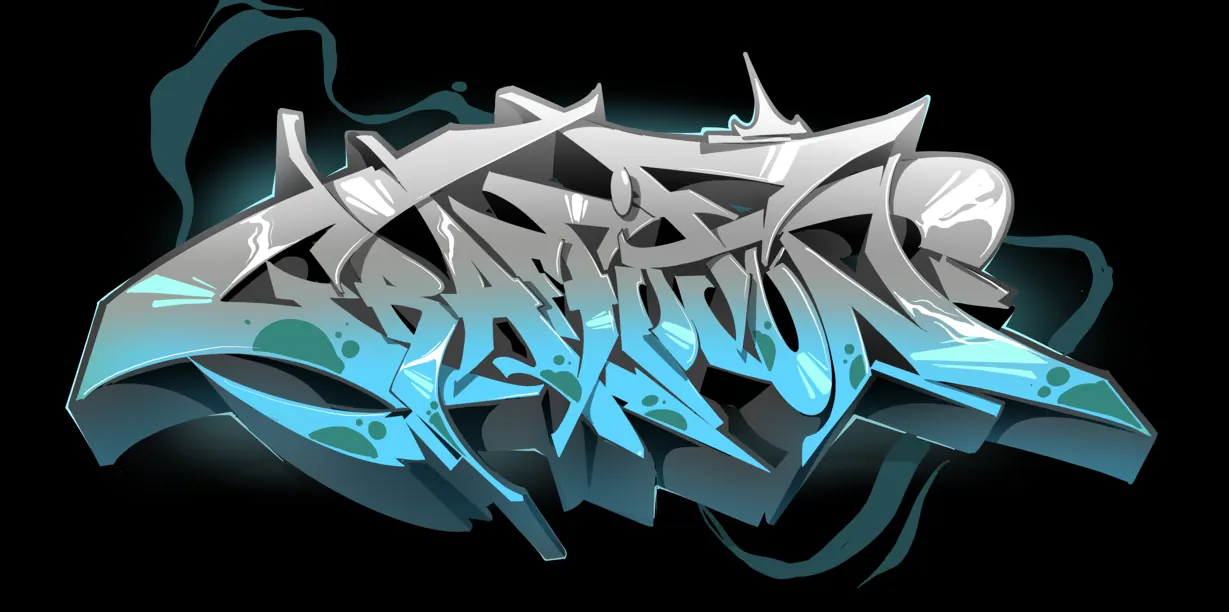
As these pioneers pushed the boundaries of letters, they developed what is now known as Wildstyle graffiti, a complex form of interlocking letters that are often indecipherable to the untrained eye. This era established the "crew" dynamic, where groups of artists worked together to cover subway trains and buildings, creating a mobile gallery that traversed the city. This collective spirit is something we still celebrate today in our professional workshops, where team cohesion is a primary focus.
The transatlantic leap: Europe's graffiti explosion
By the 1980s, the hip-hop movement—encompassing rap, DJing, breaking, and graffiti—hit European shores. Cities like Amsterdam, Paris, Berlin, and London became secondary hubs for the movement. However, Europeans didn't just copy the New York style; they adapted it to their unique urban landscapes. The Berlin Wall, for instance, became a massive canvas for political and artistic expression, turning a symbol of division into a landmark of creativity.
In the UK, the Bristol scene began to flourish, blending traditional writing with stencil art and social commentary. This evolution paved the way for the "Street Art" movement, which often prioritises figurative imagery and icons over the letter-based focus of traditional graffiti. Understanding these regional nuances is essential for any aspiring artist looking to master aerosol art.
Regional movements and their unique characteristics
The Brazilian "Pichação" phenomenon
São Paulo is home to one of the most distinct and controversial graffiti subcultures in the world: Pichação. Unlike the colourful murals seen in other regions, Pichação consists of cryptic, vertical, monochromatic lettering. Inspired by heavy metal album covers of the 1980s, these practitioners (Pichadores) scale skyscrapers without safety gear to leave their mark at the highest possible point. It is a subculture of extreme risk and architectural intervention that differs wildly from Western "wildstyle" or commercial muralism.
The Japanese "Kustom" and character culture
In Japan, the graffiti subculture is deeply intertwined with high-level craftsmanship and the country's rich history of character design. Japanese writers often focus on technical perfection, clean lines, and the integration of mascot-like characters into their pieces. The aesthetic is often tighter and more polished, reflecting a cultural emphasis on discipline and precision—qualities we highlight when teaching graffiti shading techniques.
Latin American Muralism and social justice
Across Mexico, Chile, and Colombia, graffiti is frequently used as a tool for political resistance and community healing. Building on the heritage of great muralists like Diego Rivera, modern street artists in Latin America use large-scale mural art to tell the stories of the marginalised. In cities like Medellín, graffiti tours have become a symbol of urban transformation, showing how art can reclaim spaces once dominated by conflict.
Subculture dynamics: Crews and the "King" status
At the heart of every graffiti subculture is the "Crew." A crew is more than just a group of friends; it is a mentorship structure where experienced artists (Kings or Queens) pass down knowledge to "toys" (beginners). This hierarchical yet supportive structure ensures the survival of techniques and traditions. 🤝
In professional settings, this translates beautifully into corporate environments. By applying the "crew" mentality, teams can learn about shared responsibility and collective achievement. Our workshops often utilise these historical structures to foster better communication through collaborative mural painting.
The modern era: From the streets to the gallery
Today, graffiti subculture exists in a duality. On one hand, it remains a grassroots, sometimes illegal, underground movement. On the other, it has been embraced by the high-art world, fashion brands, and urban planners. The transition from "vandalism" to "valuable asset" has changed the way artists interact with the city. Modern writers often balance a "street" presence with a professional portfolio, working on commissions that revitalise city centres.
The digital age has also colonised the subculture. Instagram and TikTok have replaced the "black book" (an artist's sketchpad) as the primary way to share work. While this has led to a faster global spread of styles, it has also sparked debates within the community about the "soul" of graffiti when it's created specifically for a screen rather than a physical space.
Educational and professional applications of graffiti culture
The history and sociology of graffiti offer incredible insights for education and business. The subculture's focus on personal branding, relentless practice, and community building provides a unique framework for personal development.
- In Schools: Graffiti history provides a gateway to discussing urban geography, civil rights, and art history.
- In Business: The "crew" dynamic is an excellent model for leadership and innovation training, teaching teams how to navigate complex environments with limited resources.
- In Community: Street art festivals (Jams) bring diverse groups together, proving that aerosol art is a universal language.
Conclusion
Graffiti subcultures are not a monolith; they are a vibrant, breathing tapestry of regional identities and global influences. From the subway cars of the Bronx to the skyscrapers of São Paulo, the impulse to leave a mark is a fundamental part of the human experience. By understanding these cultures, we gain a deeper appreciation for the art form we practice today. Whether you are a beginner picking up a can for the first time or a professional artist, you are participating in a rich global tradition that continues to redefine our visual world.
Expert attribution
This article was authored by the Graffitifun editorial team, drawing on decades of collective experience in the global street art scene. Our professional graffiti artists have participated in international festivals, managed large-scale mural projects, and led thousands of workshops for schools and corporations. We are committed to preserving the authentic history of graffiti while making the medium accessible and safe for the next generation of creators.
Frequently asked questions
Keep reading
Ready to Create Your Masterpiece?
Book your graffiti workshop today and discover the artist within! It's going to be AWESOME!