Aerosol art
Master the world of aerosol art. Learn about its history, techniques like can control, and how it differs from traditional graffiti. Expert art guide.
Aerosol art is more than just paint on a wall; it is a dynamic, high-energy discipline that has evolved from the underground streets to become a respected global art form. Characterised by its use of pressurized spray cans, aerosol art allows for unparalleled speed, scale, and vibrant color blending. Whether it is a complex wildstyle piece or a photorealistic mural, this medium requires a unique set of skills known as "can control." In this guide, we explore the rich history, technical requirements, and modern cultural impact of aerosol art, drawing on years of professional experience in the urban art world. Get ready to dive into the colorful world of the spray can! 🚀
What is aerosol art?
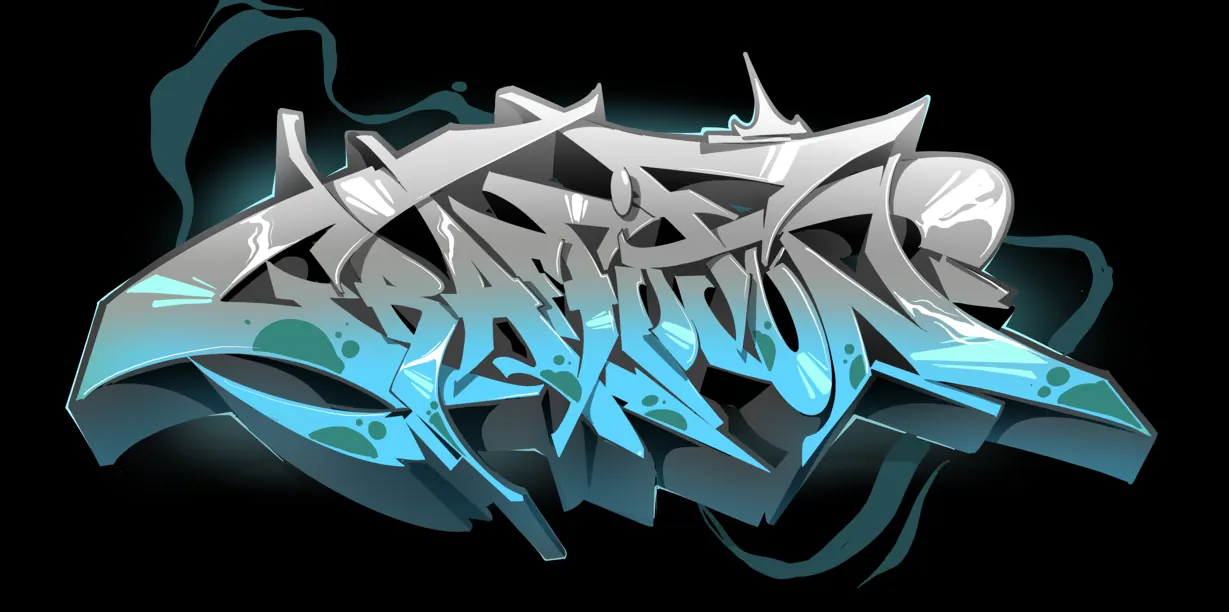
Aerosol art is a sophisticated form of visual expression that uses spray paint (aerosol) as its primary medium. While often used interchangeably with the term "graffiti," aerosol art generally refers to the more polished, legal, and artistic side of the spray-can spectrum. It encompasses everything from intricate letter-based graffiti to massive, photorealistic mural art. Our professional artists view aerosol art as a technical discipline that requires years of muscle memory, color theory knowledge, and spatial awareness.
At its core, aerosol art is about control. Unlike a brush that makes physical contact with a surface, a spray can requires the artist to manage distance, speed, and pressure (often called "finger control") to create everything from razor-sharp edges to soft, ethereal gradients. This unique delivery system allows for a speed and scale that traditional fine art mediums rarely match. 🎨
A brief history: From humble beginnings to global galleries
The history of aerosol art is inextricably linked to the birth of modern graffiti in the late 1960s and early 1970s. While aerosol sprays were originally patented for insecticides and industrial coatings, pioneering youths in Philadelphia and New York City repurposed them as tools for social identity. What began as a simple tag eventually evolved into complex "masterpieces" or "pieces" on subway cars.
The evolution of the medium
In the early days, artists were limited by the industrial nature of the cans. They often had to "borrow" nozzles from household cleaners or starch cans to achieve different spray patterns. Today, the aerosol art world has its own dedicated manufacturing industry. Modern cans are low-pressure, high-pigment, and offer hundreds of matte or gloss colors. This technological shift has allowed aerosol art to transition from the streets into the prestigious galleries and high-end commercial murals we see today.
Visual characteristics of aerosol art
What sets aerosol art apart from other mediums is its distinctive aesthetic. Because the paint is atomised into a fine mist, the visual results have specific hallmarks:
- Soft Gradients: One of the strongest suits of aerosol art is the ability to create seamless color transitions (fading) without the use of blending tools.
- Transparency and Layering: Skilled artists use "dusting" techniques to layer translucent colors, creating depth and 3D effects.
- Line Quality: By switching cap types, an artist can move from a "fat cap" (wide, blurry lines) to a "skinny cap" (fine, sharp details).
- Scale: Aerosol art is naturally suited for large surfaces. The speed of the medium allows artists to cover hundreds of square meters in a fraction of the time it would take with a brush.
Practical workshop application: Learning the craft
During a professional workshop, we break down aerosol art into manageable steps. For beginners, the primary challenge is not the drawing itself, but mastering the tool. Here is how we approach teaching this discipline:
1. Safety and Preparation
Aerosol art is a chemical process. We always begin with safety gear, including high-quality masks/respirators and gloves. Understanding the environment—such as wind direction and ventilation—is the first lesson any aspiring aerosol artist must learn.
2. Developing "Can Control"
This involves practicing the "flare," the "dot," and the "consistent line." Students learn that the closer the can is to the wall, the sharper and more saturated the line becomes. Moving the can further away creates a "dusty" or "misty" effect used for shading. Most students are surprised by how much physical movement is involved; aerosol art is a full-body activity. ⚡
3. Creating a Piece
In our sessions, we often guide participants through the creation of a piece. This involves sketching the skeleton with a light color, performing the fill-in, and finally applying the "power line" or "outline" which brings the artwork to life.
Aerosol art vs. Graffiti: Understanding the distinction
While the tools are the same, the terminology often shifts based on context and intent. "Graffiti" is frequently associated with the subversive, letter-centric subculture rooted in the "streets." "Aerosol art," however, is a broader umbrella term often used to describe commissioned works, abstract pieces, or street art that focuses on characters and landscapes rather than just letters.
In the professional world, use of the term "aerosol art" helps bridge the gap between urban subculture and public art. It describes a high level of craftsmanship that is respected by city councils, business owners, and art collectors alike.
Common misconceptions about aerosol art
"It's just vandalism"
While the medium started in uncommissioned spaces, aerosol art today is a highly sought-after professional service. From corporate offices to community centers, it is used to revitalize urban spaces and prevent unwanted graffiti.
"It’s easy because it’s just spraying"
This couldn't be further from the truth. Controlling a pressurized gas to create a straight line or a realistic eye requires incredible dexterity. Many of our professional artists have spent decades perfecting their craft.
"The paint is bad for the environment"
Modern aerosol paint used in art has come a long way. Most top-tier brands are now CFC-free and many have shifted toward more sustainable manufacturing processes compared to industrial spray paints of the past.
Difficulty level and the learning curve
We categorize aerosol art as Intermediate on the difficulty scale. While anyone can pick up a can and spray a tag, achieving a professional result requires a steep learning curve. The difficulty lies in the "non-contact" nature of the tool. You cannot "erase" a mistake easily; you must paint over it (buffing), which requires an understanding of paint opacity and drying times.
Cultural relevance and impact
Aerosol art is the visual language of the modern city. It has influenced fashion, graphic design, and cinematography. It serves as a voice for the voiceless and a way for communities to claim ownership over their physical environment. In our workshops, we see firsthand how aerosol art builds confidence—there is something incredibly empowering about making a massive, colorful mark on a wall that was previously grey and forgotten. 🏙️
Expert Attribution
This guide was developed by the Graffitifun editorial team, drawing on over 15 years of hands-on experience in the global urban art scene. Our team consists of professional aerosol artists who have transitioned from the streets to international galleries and large-scale commercial projects. We pride ourselves on delivering safe, educational, and high-energy workshop experiences that demystify the complex world of aerosol art for students of all ages.
Frequently asked questions
Keep reading
Ready to Create Your Masterpiece?
Book your graffiti workshop today and discover the artist within! It's going to be AWESOME!