Team cohesion through art
Discover how urban art and graffiti workshops use psychology to build team cohesion, improve communication, and foster innovation in the workplace.
In the modern corporate landscape, fostering genuine connection among employees is more challenging—and more important—than ever. Traditional trust-falls and seminar-room icebreakers often fall short of creating lasting bonds. Enter the world of urban art: a powerful, tactile, and visually stimulating medium that leverages psychological principles to build unstoppable teams. By stepping out of the office and into the world of aerosol and vibrant colours, teams can experience a unique form of "creative cohesion." This article explores how the psychology of art-making, the dynamics of a "graffiti crew," and the shared experience of large-scale creation can transform a group of individuals into a unified, high-performing team. 🎨✨
The psychological foundation of artistic collaboration
Modern organizational psychology has long recognized that team cohesion is not merely the result of shared tasks, but the byproduct of shared experiences. When a group of individuals moves away from their standard workstations and engages in the tactile, visual world of urban art, several psychological mechanisms are activated. This process, often referred to as "creative displacement," allows team members to shed their professional hierarchies and interact on a human level.
Research into Group Flow—a concept pioneered by psychologists like Mihaly Csikszentmihalyi—suggests that when a group works toward a common creative goal (such as a large-scale mural), they enter a state of collective immersion. In this state, communication becomes more fluid, self-consciousness drops, and the collective output far exceeds the sum of individual efforts. This is the essence of team cohesion: the transition from "me" to "we." 🎨
Breaking down the "silo" mentality
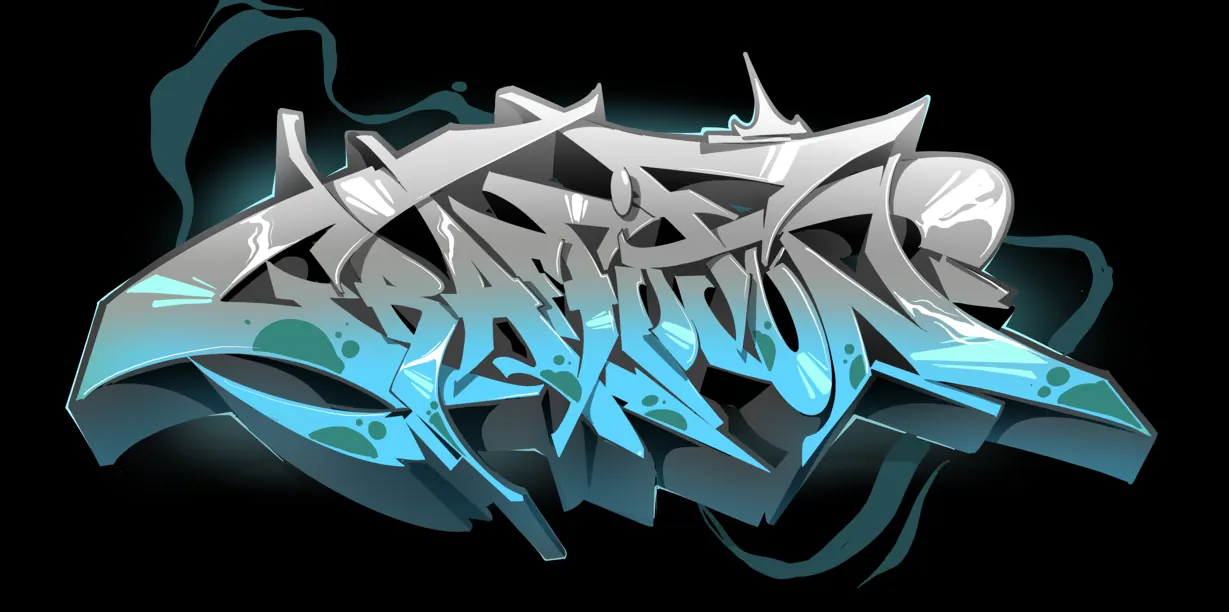
In many corporate environments, departments operate as "silos," with little cross-functional understanding. Art-based workshops, particularly those involving graffiti, require participants to plan a unified vision. For instance, if one person is working on a complex Wildstyle element while another focuses on the background, they must communicate constantly to ensure the colors and shapes harmonize. This mimics the interdependency required in high-stakes business projects but removes the pressure of "failure," replacing it with the joy of experimentation.
The role of the 'Crew' in urban art dynamics
In the world of graffiti, the concept of the Graffiti crew is the ultimate example of team cohesion. A crew is a collective that shares a name, a style, and a reputation. When professional artists lead a workshop, they aren't just teaching how to use an aerosol can; they are teaching the ethos of the crew. This involves mutual respect, the division of labour, and the understanding that the final "piece" reflects on everyone involved.
Psychologically, this creates a sense of Social Identity. When employees stop seeing themselves as "the marketing guy" or "the IT girl" and start seeing themselves as members of a creative crew, their loyalty to the collective mission increases. The graffiti piece becomes a physical manifestation of their shared effort, serving as a lasting reminder of what they can achieve when they align their skills.
Measurable outcomes of creative team building
While the benefits of art might seem "soft" or intangible, the measurable impact on organizational health is significant. Data-driven organizations look for specific Key Performance Indicators (KPIs) following team-building interventions. Art workshops have been shown to impact several critical areas:
- Reduced Cortisol Levels: Engaging in creative play lowers stress, leading to fewer absences and higher employee satisfaction.
- Enhanced Problem-Solving: Because graffiti requires participants to adapt to mistakes—like managing Drips or colour bleeding—it trains the brain to find solutions rather than dwell on problems.
- Communication Velocity: Teams that have completed a collaborative mural often report a 20-30% increase in the speed of internal communication due to the "ice-breaking" nature of the activity.
The therapeutic power of the aerosol can
There is an inherent "therapeutic release" in the act of spray painting. Unlike the precision of a digital mouse or a ballpoint pen, a spray can requires whole-body movement. This kinesthetic engagement helps in discharging pent-up frustration and encourages a "larger-than-life" perspective. When teams paint together, they aren't just decorating a wall; they are engaging in a form of collective art therapy that promotes emotional intelligence and empathy. 🖌️
Practical application: Transitioning from sketch to wall
The journey of a team-building workshop usually starts in the Blackbook. This is where the psychology of planning takes place. Teams must negotiate their ideas, compromise on designs, and delegate tasks. Who will do the outline? Who will manage the Fill-in? Who will handle the specialized details?
This phase is critical for Conflict Resolution. Disagreements about artistic direction are "safe" conflicts. Learning to navigate these creative differences provides a blueprint for handling more serious professional disagreements in the future. Once the team moves to the wall, the individual sketches merge into a single, cohesive narrative.
Fostering vulnerability and psychological safety
Project Aristotle, a famous study by Google, found that "Psychological Safety"—the belief that one will not be punished or humiliated for making a mistake—is the most important factor in high-performing teams. Art is the perfect medium to foster this safety. For most participants, graffiti is a completely new skill. Everyone starts from a place of vulnerability.
When a manager and an entry-level intern both struggle to get a crisp line with different Cap types, the power distance between them shrinks. This shared vulnerability levels the playing field, making it easier for genuine connection and trust to grow. Over time, this translates back to the office as an environment where people feel safe sharing "out of the box" ideas without fear of judgment.
The 'Mural' as a psychological anchor
Often, the final result of these workshops is a large-scale Mural. In psychological terms, this mural acts as an "Anchor." Every time a team member sees the artwork, it triggers the positive emotions associated with the day it was created. It serves as a visual testament to the team's ability to create beauty out of chaos (and several cans of paint). It reinforces the "we did this together" sentiment, which is the core of sustainable team cohesion.
Conclusion
Team cohesion through art is not just about making something pretty; it is about the structural alignment of individual minds toward a collective vision. By leveraging the unique dynamics of urban art, organizations can build stronger, more resilient, and more innovative teams. Through the lens of professional graffiti artists, these workshops provide a transformative experience that resonates long after the paint has dried.
Expert Attribution
This article was written in collaboration with the professional artists and facilitators at Graffitifun. With years of hands-on experience in leading urban art workshops globally, our team combines technical mastery with a deep understanding of group dynamics. We have witnessed firsthand how the medium of graffiti can break down barriers and unite diverse groups of people. Our focus remains on providing safe, professional, and energetically fun environments where creativity and teamwork can flourish.
Frequently asked questions
Keep reading
Ready to Create Your Masterpiece?
Book your graffiti workshop today and discover the artist within! It's going to be AWESOME!