Graffiti as fine art
Explore the history and techniques that transformed graffiti from street tags into a respected fine art form. Discover key movements and expert insights.
Once dismissed as a mere symptom of urban decay, graffiti has undergone a radical transformation over the past five decades. Today, it stands as a respected pillar of the contemporary art world, referred to as "Urban Contemporary" or "Aerosol Art." This article explores the journey of graffiti from its subversive roots in 1970s New York to its current status on gallery walls. We will examine the technical mastery, historical milestones, and cultural shifts that have elevated graffiti into the realm of fine art. Whether you are an art enthusiast or a curious beginner, understanding the sophistication behind these vibrant letters and murals is key to appreciating one of the most influential art movements of the 21st century. 🏙️
The evolution from subculture to gallery walls
For decades, the public perception of graffiti was confined to the concept of vandalism. However, the narrative has shifted dramatically. Today, graffiti is celebrated as a sophisticated form of fine art, commanding high prices at prestigious auction houses and occupying permanent collections in world-renowned museums. This transition didn't happen overnight; it is the result of a complex cultural journey involving technical innovation, social rebellion, and the relentless pursuit of artistic identity. 🎨
Our team of professional graffiti artists has observed this shift firsthand. What once started as a cryptic signature on a subway car has blossomed into a global visual language that influences graphic design, high fashion, and urban architecture. Understanding graffiti as fine art requires looking past the surface and exploring the deep technical mastery required to manipulate aerosol paint into complex compositions.
Chronological development: from the street to the studio
The 1960s and 70s: the birth of the signature
The origins of modern graffiti are often traced back to the late 1960s in Philadelphia and the early 1970s in New York City. Initially, the movement was centered around the graffiti tag, a stylized signature. Artists like Cornbread (Philadelphia) and TAKI 183 (New York) paved the way by prioritising visibility and repetition. As the "writing" scene grew, so did the competition. To stand out, writers had to innovate. This led to the creation of the tag, which eventually evolved into more complex forms like the throw-up and the elaborate piece (short for masterpiece).
The 1980s: the gallery boom
The 1980s marked a pivotal turning point. While the "Style Wars" raged on the New York subway tracks, the Manhattan art scene began to take notice. Artists like Jean-Michel Basquiat and Keith Haring transitioned from the streets to the white-cube galleries, though their styles were distinct from traditional letter-based graffiti. Basquiat used cryptic text and neo-expressionist painting, while Haring used bold, graphic lines. Simultaneously, graffiti pioneers like Futura 2000 and Lady Pink began displaying paintings on canvas, proving that the energy of aerosol art could be captured without a train or a brick wall. 🖼️
The 1990s and 2000s: global expansion and the internet
As cities began "cleaning up" through aggressive anti-graffiti policies, artists found new outlets. The 1990s saw the rise of the mural art movement, where large-scale, legal commissions allowed artists to spend days on a single work. The advent of the internet allowed writers from different continents to share styles, leading to the rapid global spread of the culture. Today, graffiti is a truly international language, with distinct regional styles appearing from São Paulo to Tokyo.
Key movements and stylistic shifts
Graffiti is not a monolith; it is a tapestry of various sub-genres that each contribute to its status as fine art. Our professional artists often categorize these into several influential movements:
Wildstyle and complexity
Wildstyle remains one of the most significant contributions to urban art. Characterised by interlocking letters, arrows, and mechanical flourishes, it is often illegible to the untrained eye. In the context of fine art, Wildstyle is praised for its abstract quality and rhythmic complexity. It requires a deep understanding of letter structure and spatial awareness, much like classical calligraphy or cubism.
3D Graffiti and the illusion of depth
The development of 3D graffiti pushed the boundaries of what was possible with a spray can. By removing the traditional black outline and focusing on highlights and shadows, artists like Daim and Peeta created works that appear to float off the surface. This technical prowess elevated graffiti into the realm of formalist sculpture and architectural design.
Abstract graffiti and aerosol expressionism
In recent years, "Graffuturism" or abstract graffiti has emerged. These artists discard legible letters entirely, focusing instead on the movement of the arm, the texture of the paint, and the balance of color. This movement aligns graffiti closely with the history of abstract expressionism, positioning the spray can as a tool of pure artistic gesture.
Technical mastery: why it qualifies as fine art
The "fine art" designation is often reserved for work that demonstrates exceptional skill and a unique vision. Professionals in the field argue that graffiti meets these criteria through several technical aspects:
- Can Control: Achieving various line widths and soft gradients (the "fade") requires years of practice. Managing drips is a skill in itself, where an artist learns to use the paint's fluid nature to their advantage.
- Colour Theory: Creating a high-impact fill-in requires a sophisticated understanding of complementary and contrasting colours to ensure the work remains vibrant over time.
- Scale and Perspective: Mapping out a five-story mural using only the "grid method" or "doodle grid" requires mathematical precision and an innate sense of scale that few classical painters possess.
Cultural significance and the "Banksy Effect"
The cultural impact of graffiti cannot be overstated. It is the voice of the excluded, a visual manifestation of public dialogue. The rise of street art—often confused with graffiti but strictly related—brought political and satirical themes to the forefront. The massive popularity of artists like Banksy has helped bridge the gap for the general public, making the medium approachable and socially relevant. 🌍
However, many purists argue that the true "fine art" of the movement lies in its raw, letter-based origins. This tension between the "street" and the "gallery" keeps the culture dynamic. It challenges the art world to reconsider its definitions of value, ownership, and accessibility.
Modern relevance and the future of urban art
Today, graffiti is an integral part of the creative economy. It is used in branding, urban regeneration projects, and as a powerful tool for social change. In educational settings, graffiti workshops have become a popular way to engage youth, teaching them about teamwork, planning (through the use of a blackbook), and technical discipline.
As we look toward the future, the integration of technology—such as augmented reality (AR) murals and digital graffiti tools—promises to expand the medium even further. Graffiti has successfully migrated from the shadows of the subway system to the highest echelons of the art world, proving that artistic genius can sprout from any environment.
Applying graffiti principles in workshops
At Graffitifun, we believe that everyone has the potential to create art. In our workshops, we translate these "fine art" concepts into accessible lessons. We teach participants about the importance of different cap types to achieve various effects, ensuring that every student understands the technical foundation behind the masterpieces they see in museums. Whether it's a corporate team-building event or a primary school project, the focus is always on the creative process and the joy of expression. 🖌️
Expert attribution: years of hands-on experience
This article was authored by our team of professional graffiti artists and instructors. With over a decade of experience in the urban art scene, Graffitifun has transitioned from the streets to the forefront of urban art education. Our artists have spent thousands of hours refining their "can control," painting everything from small canvases to massive city-block murals. This deep practical knowledge allows us to speak with authority on the technical and cultural nuances that define graffiti as a true fine art form. We are dedicated to sharing this passion and professionalism with every student we teach.
Frequently asked questions
Keep reading
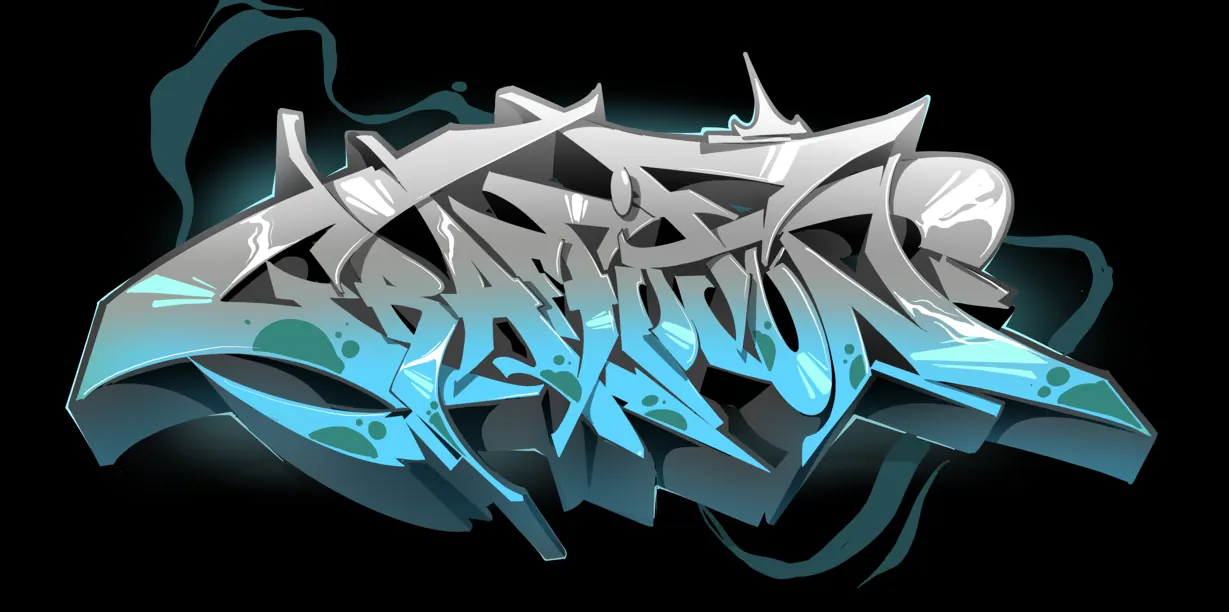
Ready to Create Your Masterpiece?
Book your graffiti workshop today and discover the artist within! It's going to be AWESOME!