Street art movement
Explore the history and evolution of the street art movement, from NYC subway tags to global murals. Learn about key styles, tools, and cultural impact.
The street art movement has evolved from a clandestine subculture into a powerhouse of the contemporary art world. Spanning over five decades, this global phenomenon has redefined how we interact with our cities and what we consider to be 'art'. Covering everything from the early days of subway tagging in New York to the massive, high-tech murals that define modern skylines, the movement represents a shift toward a more democratic and accessible form of creativity. In this guide, we explore the rich history, technical evolution, and cultural impact of street art, drawing on our years of professional experience in urban art education to provide an authoritative look at this ever-changing landscape. 🎨
The street art movement stands as one of the most influential and visible cultural shifts of the 20th and 21st centuries. What began as a subversive act of writing names on subway cars in New York and Philadelphia has blossomed into a global phenomenon that influences fashion, advertising, fine art, and urban planning. This movement transcends traditional gallery walls, turning the public sphere into a democratic canvas where voices from all walks of life can be heard. 🎨
The origins: From tagging to the subway era
While humans have marked walls for millennia, the modern street art movement traces its DNA back to the late 1960s. Cornbread in Philadelphia and Taki 183 in New York City are often cited as the pioneers who sparked the "tagging" craze. Initially, the movement was strictly letter-based, focused on the graffiti tag—a stylized signature that served as a claim of presence in the urban landscape.
The New York subway revolution
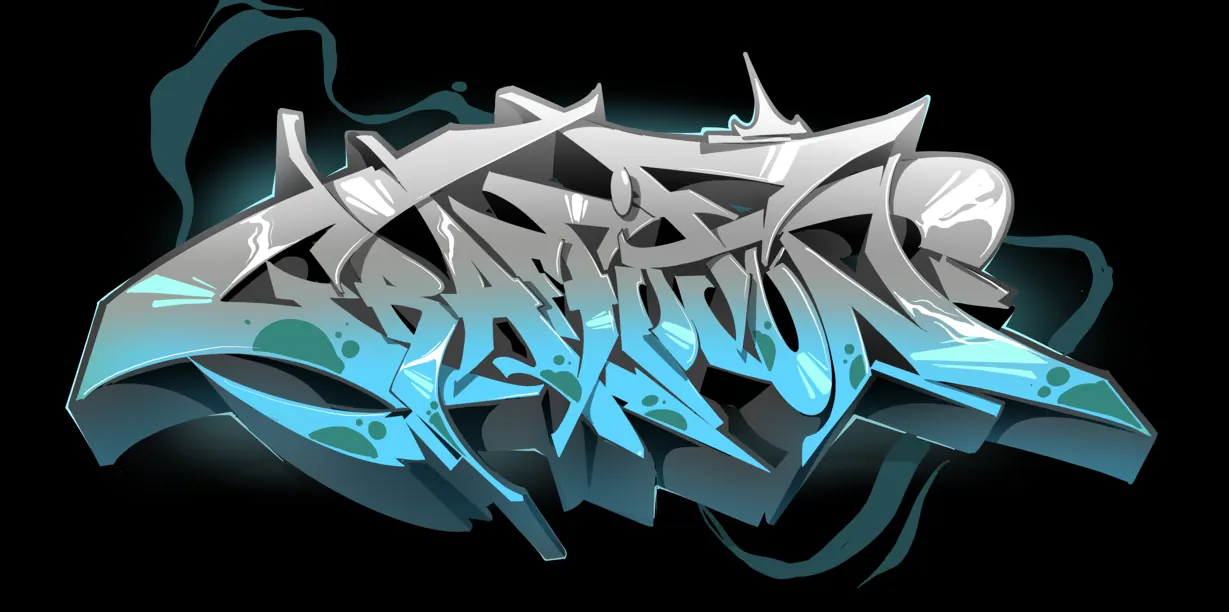
By the 1970s, the movement migrated to the New York City subway system. The trains became moving galleries, carrying an artist's name through all five boroughs. This era saw a rapid evolution of styles. Artists moved beyond simple signatures to create more complex forms. The throw-up (a quick, bubble-lettered outline with a fill-in) allowed for greater visibility, while the "masterpiece" or piece showcased immense technical skill and vibrant colour schemes.
During this time, the concept of the graffiti crew emerged. These collectives allowed artists to work together on massive "whole-car" productions, sharing resources and protecting one another during the dangerous process of painting in train yards. Professional graffiti artists today still look back at this era as the foundation of modern technical discipline.
Beyond letters: The birth of post-graffiti and street art
As the 1980s dawned, the movement began to diversify. While many artists remained dedicated to letter-based styles like wildstyle, others began experimenting with iconography, characters, and new techniques. This shift is often referred to as "post-graffiti."
Stencil art and wheatpasting
In Europe, particularly in France, artists began using stencils to create intricate images quickly and repeatedly. This allowed for a different type of political and social commentary. Unlike the often-insulated world of letter-based graffiti, these images were designed to be immediately understood by the general public. Wheatpasting—the use of posters and homemade glue—also became a popular way to reclaim public space without the permanence of spray paint.
Global spread and the digital age
The 1990s and 2000s saw the street art movement go truly global. From the murals of São Paulo to the stencil-heavy streets of Bristol and the vibrant tags of Tokyo, every city developed its own unique local flavour. 🌍
The internet acted as a massive catalyst. Historically, a piece of art only lived as long as the wall remained unpainted. With the advent of digital photography and social media, a burner painted in a secluded alleyway in Berlin could be seen by millions in Los Angeles within hours. This connectivity led to a cross-pollination of styles, where 3D graffiti techniques from Europe met the bold outlines of American tradition.
Cultural significance and social impact
The street art movement is more than just aesthetics; it is a tool for social change. It provides a platform for marginalized voices to address issues such as inequality, climate change, and political corruption. In many ways, the movement has democratized art, removing the "gatekeepers" of the traditional art world and making creativity accessible to everyone.
Urban regeneration and the 'Mural Movement'
Cities that once spent millions trying to erase graffiti have begun to embrace the mural art movement. Large-scale public commissions are now used to revitalize neglected neighbourhoods, deter illegal tagging, and promote tourism. Professional graffiti artists are now frequently hired by corporations and city councils to bring colour and life to concrete environments. 🏙️
The evolution of tools and techniques
The technical sophistication of the movement has grown alongside its popularity. In the early days, artists were limited to hardware store paint and found objects. Today, the industry provides specialized spray cans with varying pressures and hundreds of different cap types to achieve everything from razor-thin lines to massive flares.
The use of the blackbook remains a vital tradition. These sketchbooks are where artists hone their skills, plan their drips, and refine their concepts before ever touching a wall. At Graffitifun, we emphasize the importance of this planning stage in our workshops, teaching students that great street art starts with a solid foundation on paper.
Modern relevance: Street art in the 21st century
Today, the line between "street art" and "fine art" is blurrier than ever. Street artists headline major auctions and exhibit in the world’s most prestigious museums. However, the heart of the movement remains in the streets. Whether it is a complex abstract graffiti mural or a simple hidden stencil, the movement continues to challenge our perceptions of ownership, public space, and the definition of art itself.
Practical application: Learning the craft
At Graffitifun, we believe the best way to understand the street art movement is to participate in it. Our workshops are designed to bridge the gap between history and practice. Participants learn the history of the movement while gaining hands-on experience with the tools of the trade. Under the guidance of professional artists with years of experience, students learn safety, technique, and the cultural etiquette that governs the street art community.
Expert attribution
This comprehensive guide was developed by the professional team at Graffitifun. With over a decade of hands-on experience in urban art education and a collective background in professional graffiti and mural production, our artists have witnessed the movement's evolution firsthand. We are dedicated to preserving the authentic roots of street art while fostering the next generation of creative talent through safe, high-quality, and educational workshops worldwide.
Frequently asked questions
Keep reading
Ready to Create Your Masterpiece?
Book your graffiti workshop today and discover the artist within! It's going to be AWESOME!